Bush mango
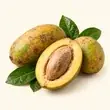
Irvingia gabonensis grows in the rainforests of West and Central Africa. Its seeds, called dika nuts, are ground to thicken soups. Supplements use seed extract; SodaRise lists a 10:1 African mango seed extract second in its blend, after maca.
The evidence
Trials summarised by NIH’s Office of Dietary Supplements, such as a 10-week study of 102 people in Cameroon taking 150 mg twice daily, found more weight and waist loss than placebo, but the trials were small, short and largely by the same authors, at 300-3,150 mg a day (ODS). Memorial Sloan Kettering calls the evidence weak.
Side effects
- Headache, poor sleep and flatulence.
- One case report of kidney failure requiring dialysis in a person with chronic kidney disease (MSKCC).
- May add to diabetes medicines’ blood-sugar lowering.
The dose gap
Even as the second ingredient, African mango cannot exceed the 200 mg blend per mL, or 400 mg a day, and in practice will be less. That brushes the very bottom of the studied range at best. Check the dose reality check.
African mango in SodaRise
Low risk for most at this amount; ask your doctor if you have kidney disease or diabetes. Related: All 21 blend ingredients.
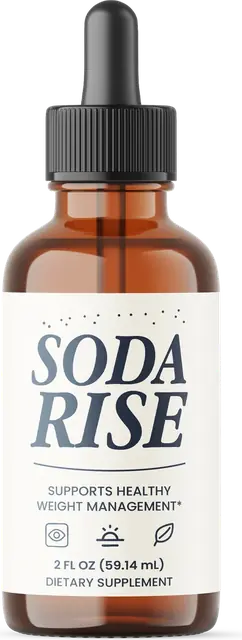
Considering SodaRise? Two bottles are $158 plus shipping; six are $294 ($49 each) with free US shipping and three bonus guides. Only unopened bottles can be refunded, and the caffeine content isn’t stated, so read the safety guide first.
Order SodaRise From $49/BottleQuestions
Does African mango suppress appetite?
That is the marketing idea; trials are small and of low quality.
Is it the same as mango fruit?
No, it is a different tree, and supplements use the seed.