A mint-family root
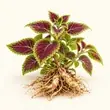
Coleus forskohlii (also Plectranthus barbatus) is a mint-family plant used in Ayurvedic medicine. Its root contains forskolin, which raises a cell signal called cyclic AMP in lab studies, a mechanism linked to fat breakdown. That lab finding drove years of “fat-burning” marketing.
The human trials
NIH’s Office of Dietary Supplements summarises two 12-week trials at 500 mg a day of extract: in 19 women, no effect on body weight or appetite; in 30 men, no change in weight but body fat fell about 4% versus 1% with placebo (ODS). The seller cites the men’s study.
Safety
No serious adverse events at 500 mg a day for 12 weeks; loose stools and more frequent bowel movements were reported. Forskolin may lower blood pressure, so people on blood pressure medicine should ask a doctor.
The dose gap
SodaRise’s whole daily blend is 400 mg, shared by 21 ingredients, while each trial used 500 mg of coleus extract alone. See Dropper dose math.
Coleus in SodaRise
A borrowed name rather than a meaningful dose. Related: African mango seed and SodaRise benefits, claim by claim.
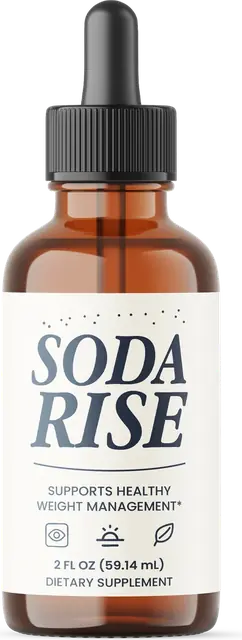
Considering SodaRise? Two bottles are $158 plus shipping; six are $294 ($49 each) with free US shipping and three bonus guides. Only unopened bottles can be refunded, and the caffeine content isn’t stated, so read the safety guide first.
Order SodaRise From $49/BottleQuestions
Does forskolin burn fat?
One small trial in men found less body fat; weight did not change, and a trial in women found nothing.
Is forskolin safe?
Short trials at 500 mg a day were well tolerated; it may lower blood pressure.